
SUMP PUMP INSTALLATION, COMMERCE CITY, CO
Sump Pump Installation in Commerce City, CO
★ 4.9-star service • Licensed & insured • Upfront pricing
KNOW THE SIGNS
Do I need a sump pump in Commerce City?
You need a sump pump if your basement or crawl space has ever taken on water. Stains on walls or a musty smell count too.
Much of Commerce City sits on slow-draining clay, so groundwater builds fast during snowmelt and summer storms. Finished basement?
The answer is almost always yes.
One flood can destroy flooring, drywall, and everything stored below grade. A pump costs a fraction of one basement rebuild.
PRICING
What does sump pump installation cost in Commerce City?
Most standard installations run $1,200 to $2,500 as a national benchmark (Angi and HomeAdvisor, 2026). That covers the pump, basin, discharge line, and labor. Battery backup adds about $500 to $1,000. We quote a flat written price before any work starts.
Pedestal pumps cost less than submersible pumps. Long discharge runs or heavy concrete work can raise the price. No hourly meter, no surprises.
COMPARE
Pedestal vs submersible: which sump pump is right for my home?
Both types move water out of your pit, but they suit different homes. Pedestal pumps cost less, run louder, and last longer. Submersible pumps cost more, run quieter, and handle heavier water. For most finished basements in Commerce City, submersible wins. The table below breaks down every difference.
For most Commerce City basements, we recommend a submersible pump. It handles the surge when a summer storm dumps two inches of rain in an hour.
If your pit only sees occasional seepage, a pedestal pump saves money and lasts longer. We will look at your pit, your water history, and your basement, then recommend the right unit.
You decide.
OUR PROCESS
What happens on sump pump installation day?
Most sump pump installations take three to five hours from arrival to final test. You do not need to leave the house. Here is exactly what we do, step by step, so you know what to expect. We protect your floors before we start.
We find the lowest point, check where water enters, and plan the discharge route outside. We confirm the plan and the flat price with you first.
We break a clean hole in the concrete floor, usually about 24 inches wide and 30 inches deep. Then we set the basin level in gravel.
The pump goes into the basin on a stable base. We connect the discharge pipe and install a check valve so water cannot flow back into the pit.
The pipe exits through the rim joist or wall. It carries water at least 10 feet from your foundation, downhill and away from the house.
The pump plugs into a dedicated GFCI outlet. If you chose battery backup, we install that unit and test the switchover.
We fill the pit with water and watch the pump cycle on, pump out, and shut off. We test the float switch twice.
We haul the concrete debris and sweep the work area. Then we walk you through the system: how it sounds, what normal looks like, and when to call us.
COMPARE
Do I need a battery backup for my sump pump?
You need battery backup if your basement is finished or you store valuables below grade. Sump pumps run on electricity, and the heaviest rain often arrives with the outage that kills your primary pump. A backup unit takes over automatically and buys you hours of protection.
It watches your main pump and kicks in when power fails or the main pump cannot keep up. That is exactly the storm most likely to flood you.
Why Commerce City basements flood: spring snowmelt in the Rockies raises the regional water table just as our ground thaws. Then summer monsoon storms drop heavy rain in short bursts.
Our bentonite clay soil swells when wet and drains slowly, so water collects against foundations instead of soaking away. A sump pump with battery backup is built for exactly this cycle.
MAINTENANCE
How long does a sump pump last, and how do I maintain it?
A submersible pump lasts about 7 to 12 years. A pedestal pump lasts 15 to 25 years.
Test yours every three months with a bucket of water in the pit. Keep the pit clear and the discharge line open.
A yearly professional inspection catches worn switches before they fail.
A short maintenance visit costs far less than a flooded basement. We check the float switch, check valve, and backup battery.
KNOW THE SIGNS
What size sump pump do I need?
Most homes do fine with a 1/3 horsepower pump, which moves about 2,500 gallons per hour. Homes with heavy inflow or deep pits may need 1/2 horsepower.
Bigger is not automatically better. An oversized pump short-cycles, which wears it out faster.
We size your pump to your pit depth, your discharge height, and your actual water history.
INFO
Can a sump pump handle Commerce City’s spring snowmelt?
Yes, when it is sized and installed correctly. Snowmelt raises the water table for weeks, which means steady inflow rather than sudden surges.
A properly sized submersible pump with a clear discharge line handles that sustained flow easily. The failures we see come from undersized pumps, clogged discharge lines, or no battery backup during spring storms.
Spring is also when we get the most backup calls. Thaw plus rain plus a power blip overwhelms homes running on an aging pump alone. If your pump is over eight years old, have it tested before March.
COMPARE
Sump pump or interior drain system: do I need both?
A sump pump removes water that reaches the pit. An interior drain system channels water from the foundation walls to the pit. Homes with water seeping through wall-floor joints usually need both working together. Homes where water only rises from below the slab often need just the pump.
We assess which one your basement actually needs, and we never sell both when one solves it.
COMPARE
What is the best location for a sump pump pit?
The best spot is the lowest point of your basement or crawl space, where water naturally collects. It should sit near an exterior wall so the discharge line exits easily.
Keep it clear of the furnace, water heater, and laundry area. We avoid high-traffic zones and confirm the location with you before cutting concrete.
COMPARE
How do I test my sump pump before storm season?
Test it every spring before snowmelt peaks, and again before summer storm season. The whole check takes two minutes and needs no tools.
Here is exactly what to do. Do this twice a year and your pump will never surprise you.
It is the cheapest flood insurance you own.
Lift the float switch by hand. The pump should kick on.
Pour a 5-gallon bucket of water into the pit. The pump should drain it in under a minute.
Listen. Grinding or rattling means worn parts.
Check outside. Water should flow freely from the discharge pipe, well away from the house.
Unplug and replug the backup battery unit. Confirm the alarm and switchover work.
If anything fails the test, call us before the storms arrive.
INFO
What does a failing sump pump sound like?
A healthy pump hums and shuts off crisply. Warning sounds include grinding or rattling from worn bearings or debris.
A pump that runs constantly without lowering the water is undersized or clogged. Rapid on-off cycling means a stuck float switch.
Silence during a storm means no power or a dead pump.
Hear any of these? Call (720) 712-9692 before the next storm.
INFO
Should the discharge line be buried?
In most cases, yes. A buried discharge line looks better than one lying on the lawn.
It also freezes less easily, as long as it slopes downhill and exits above the frost line at the end. We bury lines 12 to 18 inches deep and add a freeze-relief tee near the house.
That tee lets water escape if the buried section ever ices up. Above-ground lines work fine too, but you must move them before mowing and disconnect them before winter.
INFO
Plumbing Problem Right Now? Don’t Wait.
One call. Upfront price. A plumber at your door fast.
REAL RESULTS
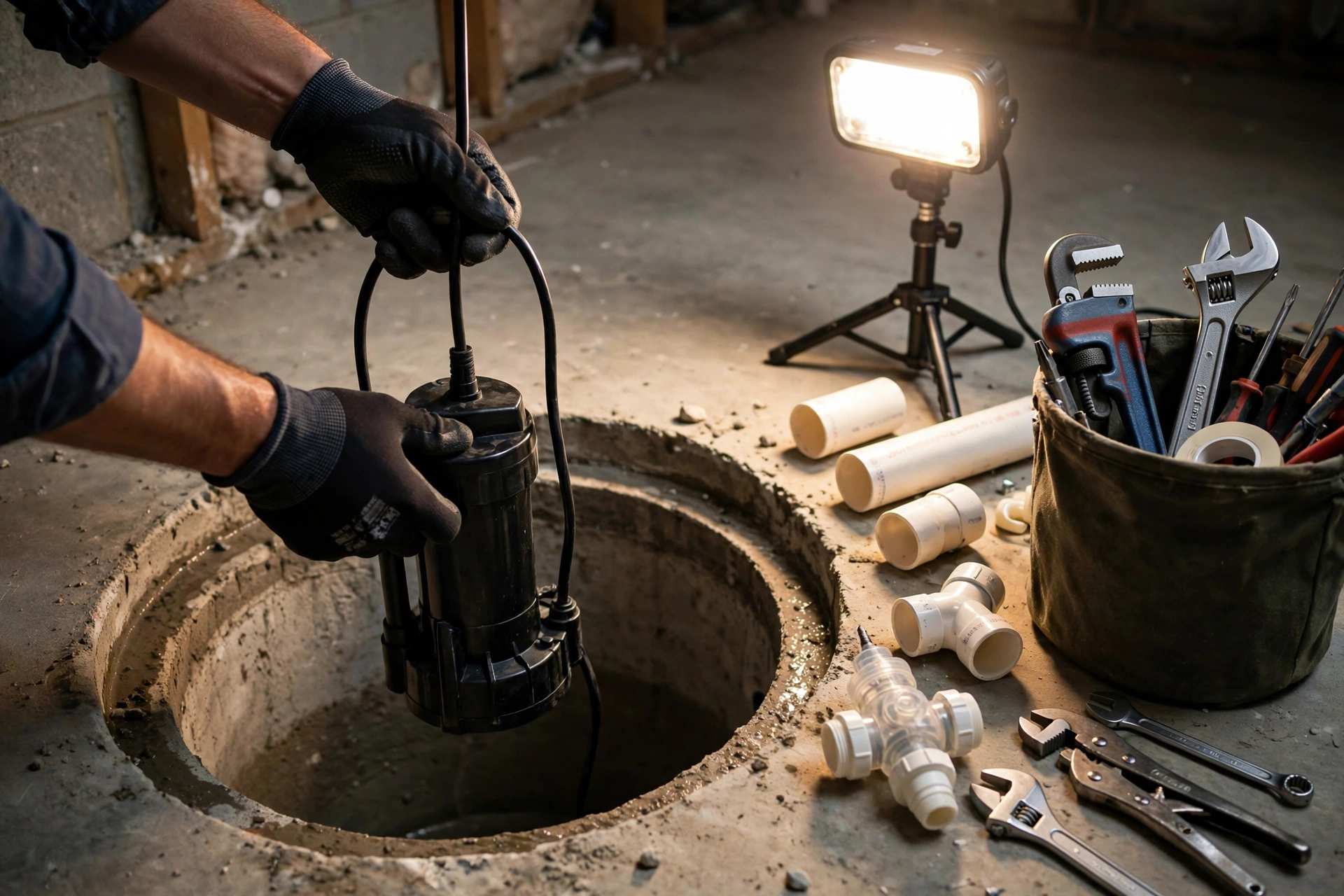
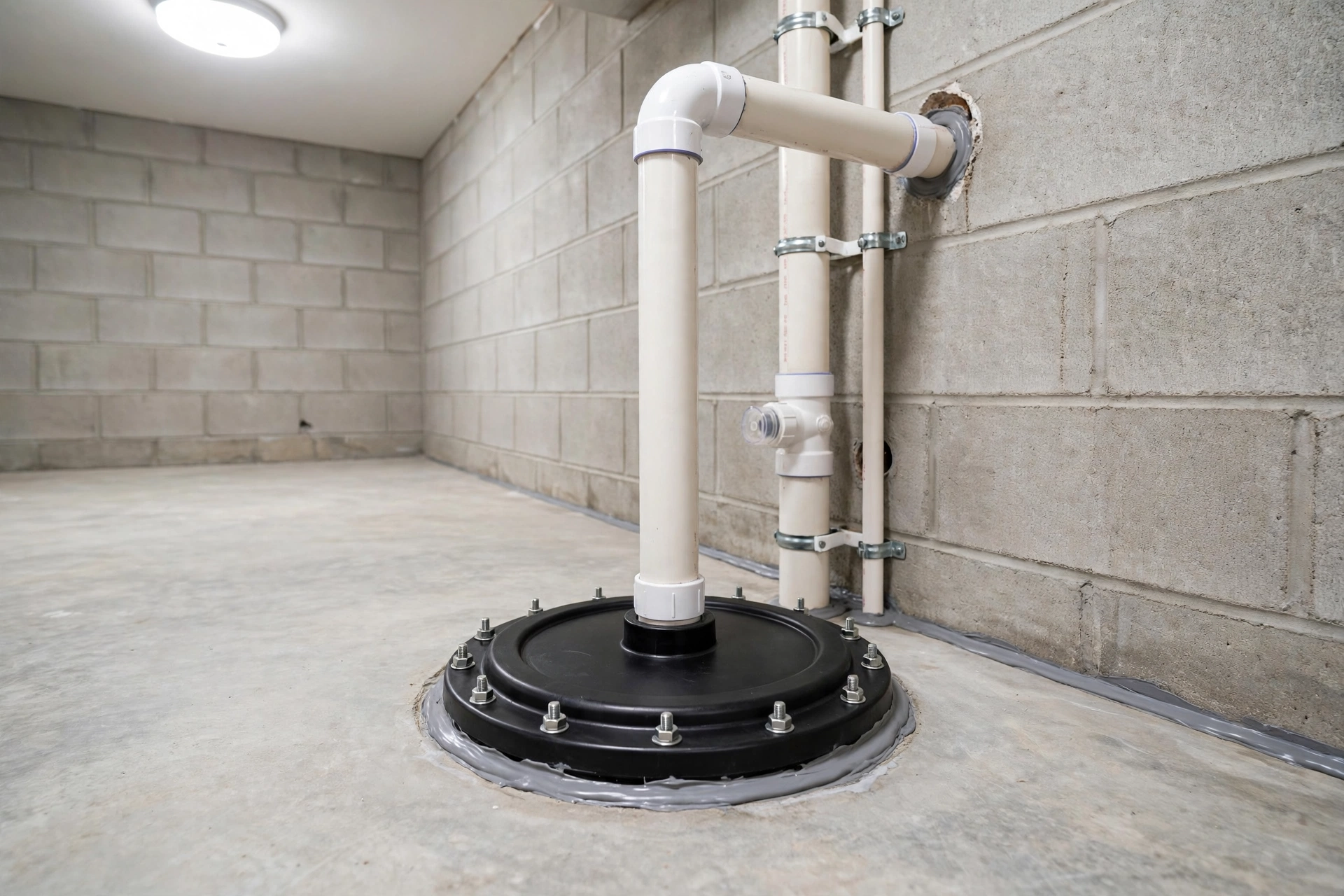
Sump Pump Installation: Before, During & After
Real sump pump jobs from First Call Plumbing. From flooded to dry.

Plumbing Problem Right Now? Don’t Wait.
One call. Upfront price. Done right.
RELATED SERVICES
You May Also Need
Basement flooding? Our emergency plumber
Drainage issues? Try drain cleaning
REVIEWS
What Commerce City Neighbors Say
★★★★★
“After the spring melt our basement took on water twice. They installed a sump with battery backup and walked me through the maintenance. First heavy rain after that, bone dry.”
Tom H. . Victory Crossing
QUESTIONS?
Frequently Asked Questions
Only with battery backup. A standard pump stops the moment power fails. Our backup systems switch on automatically and run for hours on a charged battery.
Outside, at least 10 feet from your foundation, flowing downhill away from the house. We never tie sump discharge into the sanitary sewer. That is illegal in most Colorado municipalities, and it can back up into your home.
Submersible pumps hum quietly underwater. Pedestal pumps are louder because the motor sits exposed above the pit. If the pump is under a bedroom, go submersible.
Yes. If your basin is in good shape, we swap the pump, check valve, and switch in about an hour. We also test the discharge line while we are there.
A sealed sump basin with a proper cover can reduce radon entry. But a sump pump is not a radon system. If radon is a concern, pair the pump with a dedicated radon mitigation setup.