
WHOLE-HOUSE REPIPING, COMMERCE CITY, CO
Whole House Repiping in Commerce City, CO
★ 4.9-star service • Licensed & insured • Upfront pricing
KNOW THE SIGNS
How do I know my home needs repiping?
Your home likely needs repiping if you see rusty water or falling pressure. Pinhole leaks you have patched more than once are another red flag.
Homes built in the 1950s with original galvanized steel are prime candidates. That pipe was rated for about 50 years.
One inspection tells us exactly where you stand.
Visible corrosion on exposed pipes is another tell. We combine a camera inspection with a pressure test for a complete verdict.
PRICING
What does whole house repiping cost in Commerce City?
Whole house repiping typically runs $4,500 to $15,000 as a national benchmark (Angi and HomeAdvisor, 2026). Price depends on home size, bathroom count, pipe material, and access. PEX costs less than copper. We price your home after a walkthrough, in writing, flat rate.
A small ranch with two baths sits near the low end. A large two-story with four baths sits near the high end. You know the full number before we cut a single wall.
COMPARE
PEX vs copper: which pipe should I choose for my repipe?
PEX and copper are both excellent, code-approved choices for a whole house repipe. They differ in cost, install speed, lifespan, and freeze resistance. For most Commerce City homes, PEX wins on value. Copper wins on maximum lifespan. The table below lays out every difference so you can decide.
For most Commerce City repipes, we recommend PEX. It costs less, installs faster, and handles our freeze season better.
Copper is the right call when you want maximum lifespan and do not mind the premium. Either way, you get new shutoff valves at every fixture and a system built to current code.
OUR PROCESS
What does repipe day look like?
Most whole house repipes take two to four days. You can stay in your home the entire time. Here is the day-by-day reality, so there are no surprises. We protect every work path before we start. Water comes back every evening.
We lay drop cloths and plastic sheeting through every work path. We shut off the water, drain the old system, and cut the access openings we mapped during your estimate. You approve the plan before we start.
We run the new main lines through the attic, basement, or crawl space, then branch to each fixture. PEX pulls through with minimal openings. Copper gets soldered joint by joint.
Every sink, toilet, shower, tub, washer, water heater, and hose bib gets tied into the new system. Each one gets a fresh shutoff valve. Old galvanized lines are capped and left in the walls, dead and harmless.
We pressurize the entire new system and hold it. Every joint gets inspected. Zero leaks is the only passing grade.
We flush every line until the water runs clear, then walk the house with you fixture by fixture. You will feel the pressure difference immediately.
We patch the drywall openings we cut, texture to blend, and haul every scrap. We leave your home cleaner than we found it. Paint touch-up is on you, and we will tell you that upfront.
Why Commerce City homes need repiping now: about 14 percent of our housing stock dates to the 1950s. Those homes were built with galvanized steel water lines now decades past their rated life.
On top of age, this city ran on very hard water for more than 20 years. We are talking around 22 grains per gallon before treatment brought it near 7.
Decades of mineral-heavy water scaled and corroded those old pipes from the inside. If your home is from that era and still has original plumbing, repiping is a matter of when, not if.
WHAT TO EXPECT
How disruptive is a whole house repipe?
Less than most owners fear. You keep water each evening.
We section the work so bathrooms come back online daily. The noise is daytime only.
The mess stays inside our plastic barriers. Most families stay in the home through the whole job.
The biggest disruption is drywall patching dust on cut day, and we contain that too.
RESULTS
Will repiping fix my low water pressure?
In most cases, yes, dramatically. Galvanized pipe rusts inward over decades until the opening is a fraction of its original size.
That restriction kills your pressure. New PEX or copper restores full flow throughout the house.
If pressure stays low after a repipe, the restriction is in the city service line. We will help you document that.
COMPARE
Do I need a permit for repiping?
Yes, repiping requires a plumbing permit and inspection in most Colorado jurisdictions. We handle the permit paperwork and schedule the inspection. The inspector verifies our work meets code before walls close up. That paper trail also protects your home value when you sell.
KNOW THE SIGNS
What are the warning signs of failing galvanized pipe?
Watch for rusty or brown water when you turn on a tap. Also watch for pressure loss and pinhole leaks that keep appearing.
Check exposed pipes in the basement or utility room for flaking, dimpling, or rust streaks at joints. Brown stains inside toilet tanks are another tell.
Two or more signs means your system is telling you it is done.
COMPARE
How do I prepare my home for repipe day?
A little prep makes repipe week smooth for your family and our crew. Most of this takes under an hour the night before. Here is your checklist. Do these five things and day one starts clean. We handle everything else.
Move furniture about three feet from walls where we will cut. Clear everything from under sinks.
Fill a few pitchers and jugs. Water comes back every evening, but mornings start dry.
Cover electronics near work paths. We bring drop cloths and plastic sheeting for the rest.
Keep them clear of work zones during cutting hours. The noise is daytime only.
Our truck needs room for tools and material staging close to your door.
GOOD TO KNOW
Does repiping raise my home value?
Yes. Buyers and inspectors flag original galvanized pipe as a near-term replacement cost, which drags on offers.
A permitted repipe with new PEX or copper removes that objection and shows up clean on inspection reports. Most owners recover a strong share of the cost at resale, and everyone enjoys better pressure while they live there.
MAINTENANCE
How long do PEX and copper repipes last?
PEX repipes last 40 to 50 years in typical residential use. Copper repipes last 50 to 70 years.
Both outlive galvanized steel by decades. Our freeze-thaw cycles and mineral-heavy water history are harder on old steel than on either modern material.
Whichever you choose, new shutoff valves at every fixture and a permitted, inspected install protect that lifespan.
COMPARE
Will my walls and floors be damaged during a repipe?
We cut strategic openings, not demolition. Most cuts hide behind fixtures, inside closets, or in the attic and crawl space.
Openings typically measure one to two square feet. After the pressure test passes, we patch every opening with drywall, tape, mud, and texture to blend.
You handle final paint. Floors stay protected under drop cloths the entire job.
COMPARE
Should I repipe before selling my home?
If your inspection will flag 70-year-old galvanized pipe, yes. Buyers see original steel plumbing as a five-figure bill waiting to happen.
They price it into low offers or walk away. A permitted repipe with inspection paperwork turns that liability into a selling point.
Do it before a pinhole leak forces the decision at 2 AM.
INFO
Can you repipe just part of my house?
Sometimes. Chronic pinhole leaks in one bathroom wing, with the rest of the system testing fine?
A partial repipe can work. It solves the immediate problem for less money.
But partial repipes leave old steel in the walls, and galvanized pipe fails on age, not location. The section you skip today is the leak you patch next year.
We give you honest prices for both options and our recommendation. Most owners with 1950s pipe choose the full repipe once they see both numbers.
INFO
Plumbing Problem Right Now? Don’t Wait.
REAL RESULTS
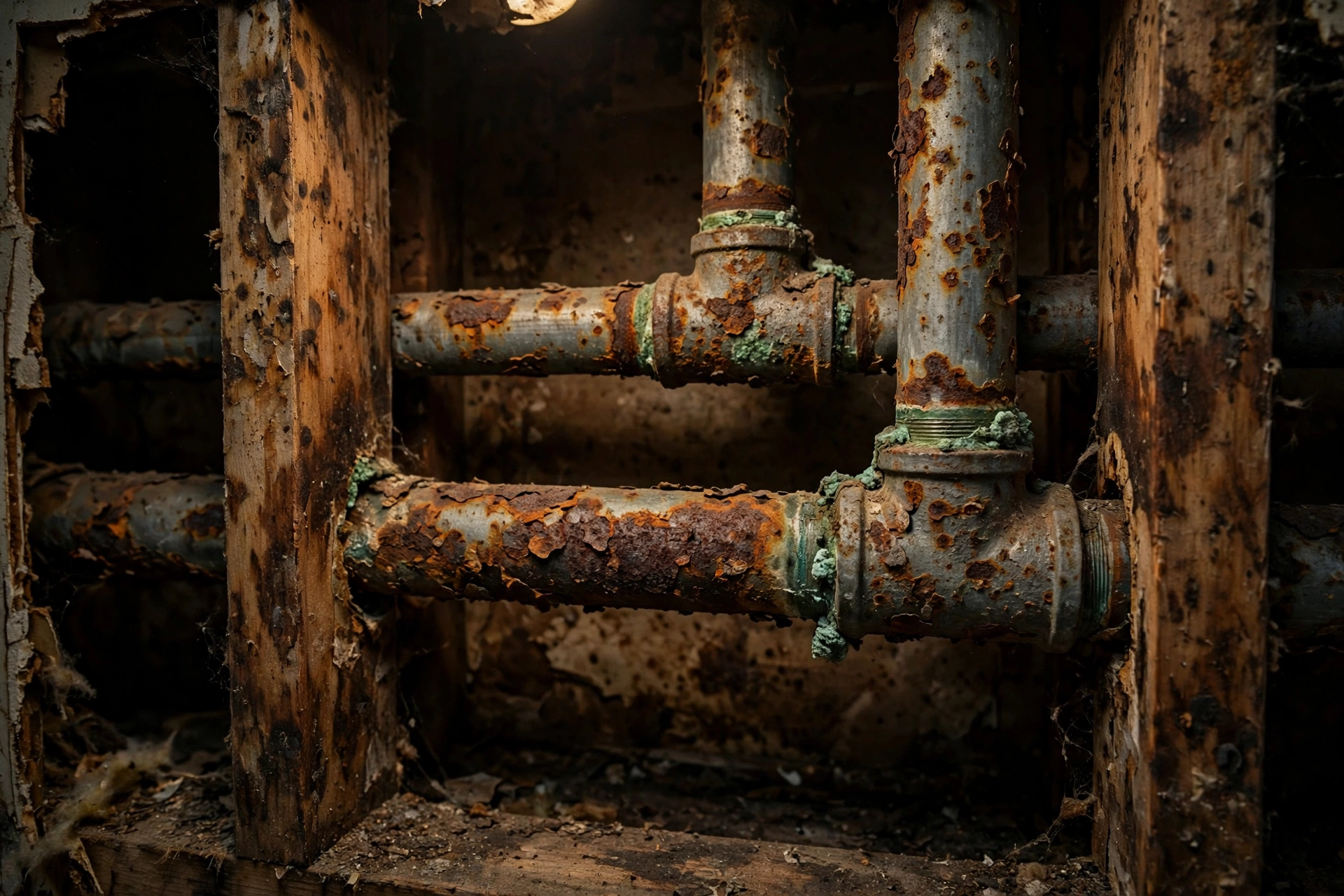
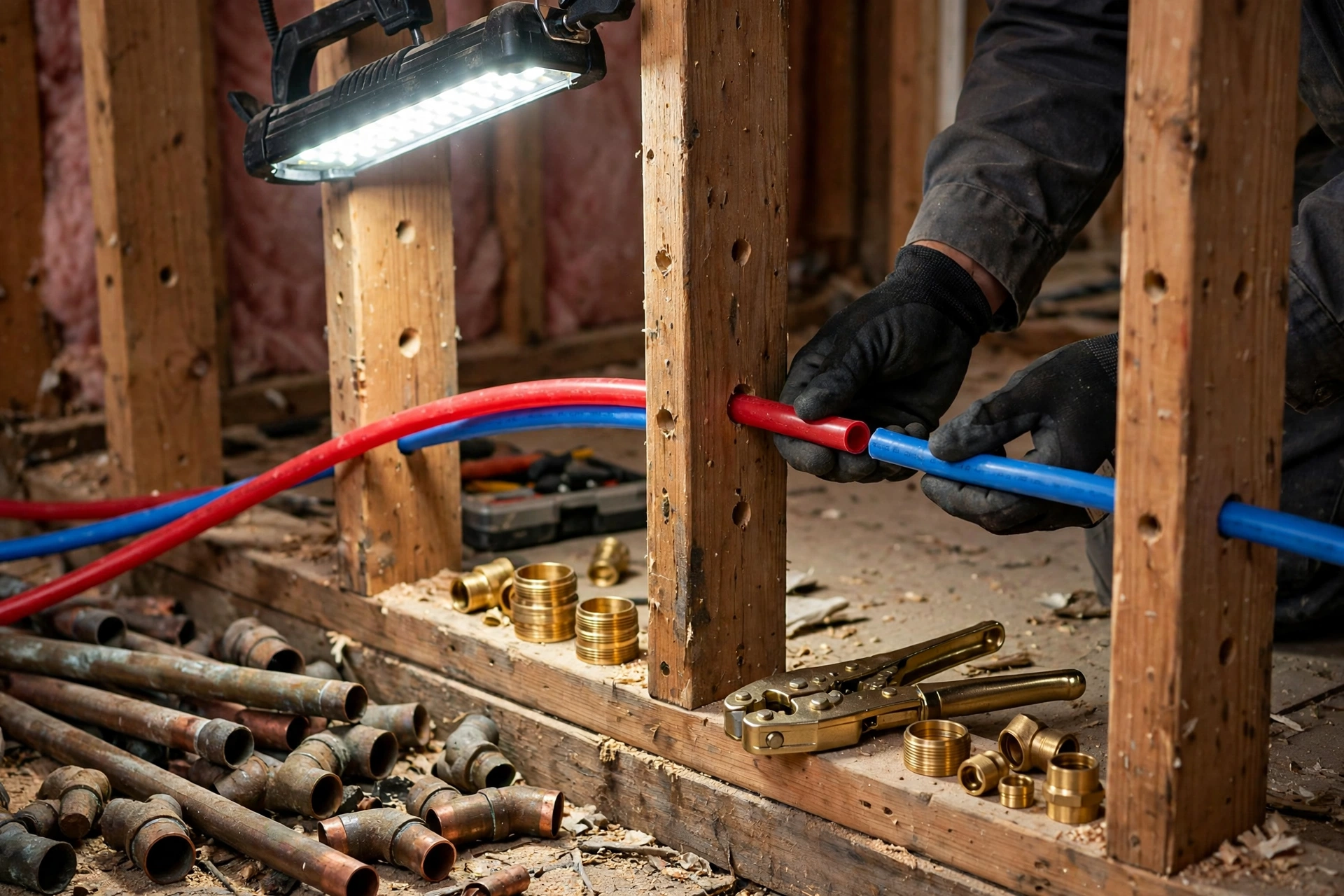
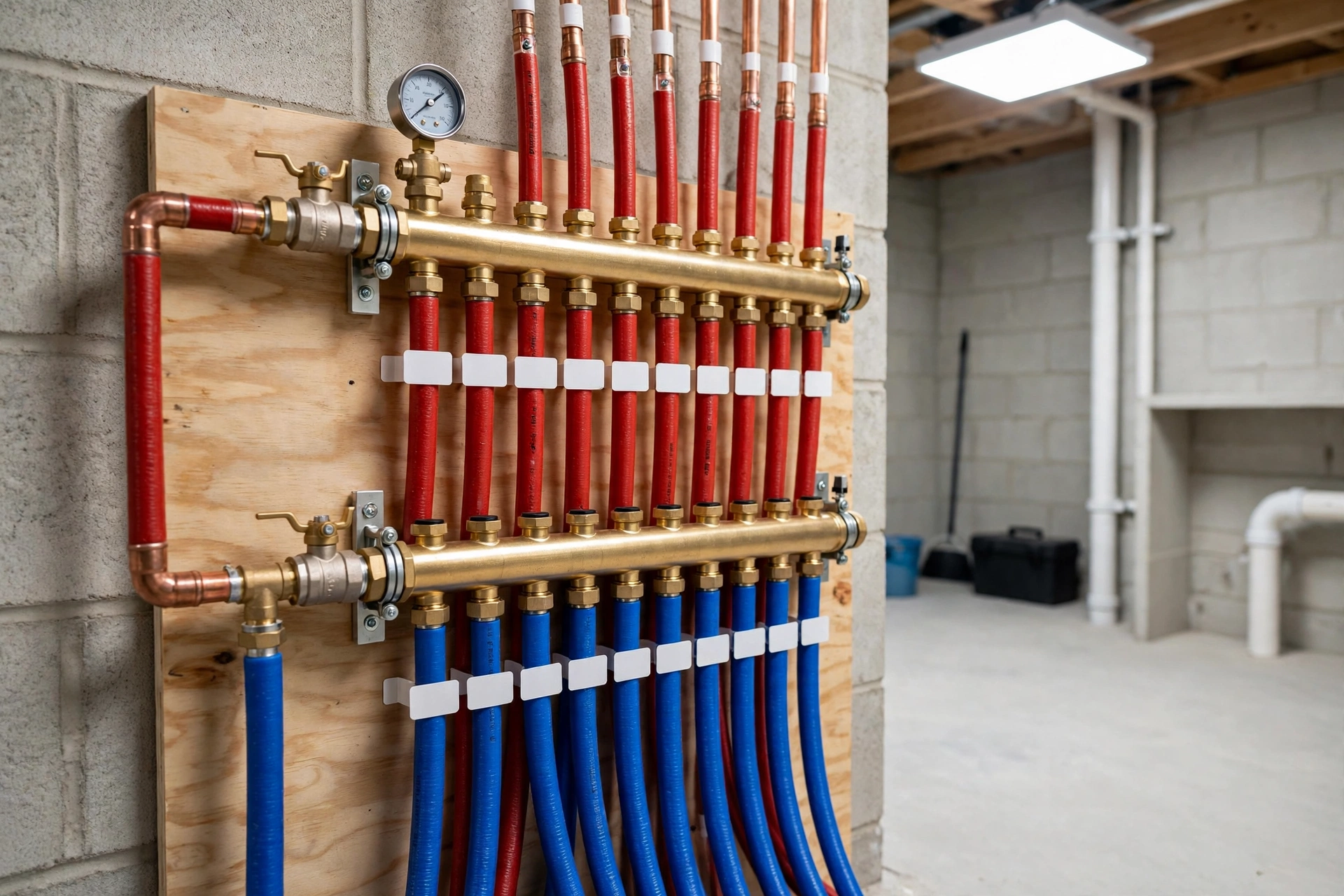
Whole-House Repiping: Before, During & After
Real repipe jobs from First Call Plumbing. From corroded to brand new.
One call. Upfront price. A plumber at your door fast.
RELATED SERVICES
You May Also Need
Not sure where pipes fail? Start with leak detection
Pipe already burst? Emergency burst pipe repair
Repiping? Ask about our water heater services
REVIEWS
What Commerce City Neighbors Say
★★★★★
“1960s house with galvanized pipes, pressure kept dropping. Full repipe took two days, they covered every floor, and the water pressure now feels like a new house. Crew was respectful and clean.”
Linda G. . Irondale
QUESTIONS?
Frequently Asked Questions
Two to four days for most single-family homes. Larger homes or difficult access can stretch to five. You get a firm schedule in writing before we start.
Yes. We restore water every evening and keep at least one bathroom working throughout. Most families never leave.
No. We cut strategic access openings, usually behind fixtures and in closets, and fish pipe through walls and attics. Openings get patched and textured when we finish.
Yes. PEX used in the US is certified to NSF/ANSI 61 for drinking water safety. It has been installed in millions of American homes for decades.
We cap the old galvanized lines and leave them in place, disconnected and harmless. Removing them would mean tearing open far more wall for zero benefit.